
Hair Care Products Explained for Curly Hair: What Each Type Does
A styling cream that makes one person’s curls look glossy and defined can leave another person’s hair flat by lunchtime. Both may have type 3 curls. One has fine strands and an oily scalp; the other has coarse, thirsty lengths and enough density to accommodate a richer formula. Shopping by curl number alone misses the difference.
The goal of choosing hair care products for curly hair is not to collect an entire shelf of “curl-friendly” bottles. It is to match cleansing strength, conditioning weight and styling hold to your hair’s actual behavior. Below, we explain what tends to make curls dry or fragile, what to look for on product labels, and the products we would consider for specific needs—with their limitations, too.
Affiliate disclosure: Some links in this article are affiliate links, meaning we may earn a small commission from qualifying purchases at no extra cost to you.
First, Why Does Curly Hair Need Different Care?
Curly and coily hair can be more susceptible to dryness and breakage. Natural scalp oils do not always distribute as easily along a curved strand as they do along straighter hair, and friction during detangling can become more noticeable at bends and twists. That explains why conditioning, slip and gentle handling matter so much. It does not mean every curl needs a buttery leave-in, or that curls are inherently coarse. A curl is a shape; fine, medium and coarse describe the diameter of an individual strand.
Can you use ordinary shampoo or conditioner? Absolutely. A well-formulated “regular” product that cleans your scalp without making your lengths rough may suit you better than a rich curl-branded shampoo. Likewise, silicones and sulfates are not automatically enemies of curls: the specific formula, how often you wash, how much residue your styling routine creates and how your hair responds determine whether a product works. A strong cleanser can be useful for stubborn buildup; the same cleanser used too frequently on dry lengths may leave them stiff.
The useful distinction is between what your scalp needs and what your lengths need. An oily scalp with dry curls may require effective cleansing at the roots plus generous conditioning through the ends. Trying to solve both with one heavy “moisturizing” shampoo is often what makes the routine frustrating.
Know Your Hair Beyond the Curl Chart
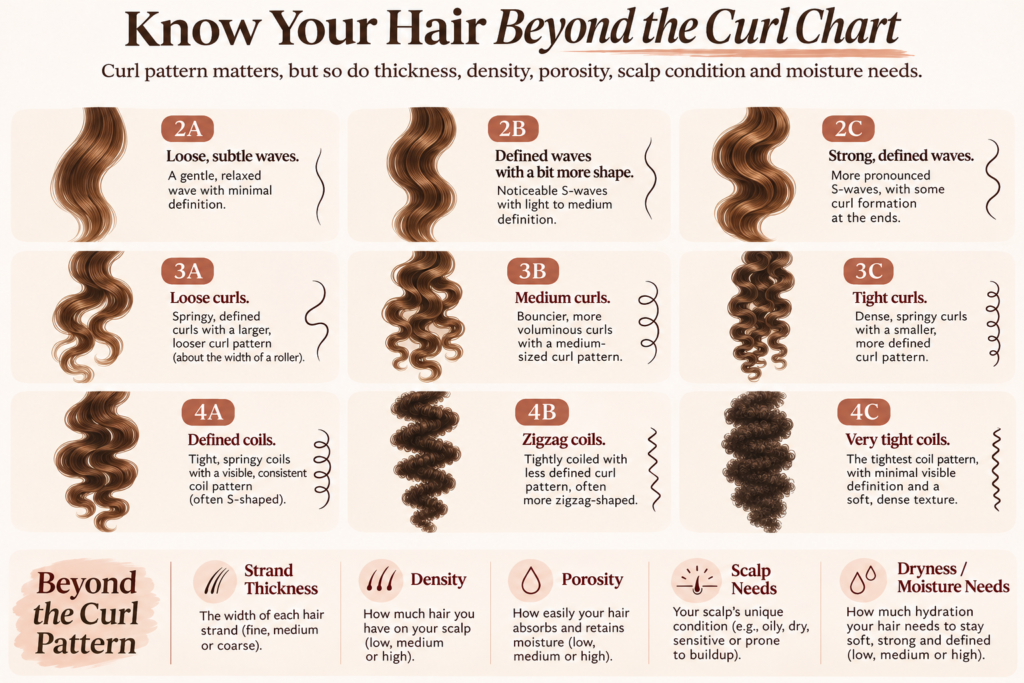
Type 2 waves: 2A–2C
Waves generally lose shape when products are too heavy, especially if strands are fine or hair is low-density. Look first for a rinse-out conditioner with good slip, a lightweight leave-in only if needed, and mousse or a fluid gel for hold. If your waves fall flat within hours, reduce cream and oil before deciding you need stronger shampoo. Coarse or bleached waves can still need a richer conditioner—pattern alone is not a verdict.
Type 3 curls: 3A–3C
Springy ringlets often benefit from a balance of slip, moisture and enough hold to preserve curl clumps after drying. Fine 3A curls may respond best to a spray leave-in and foam; dense, coarse 3C curls may prefer a richer rinse-out conditioner, leave-in and gel. Frizz after drying can be a hold or styling-technique issue, not necessarily a signal to add more oil.
Type 4 coils: 4A–4C
Tighter bends and greater shrinkage can make detangling and moisture retention feel more demanding, particularly on dense or coarse hair. Prioritize conditioners with enough slip for section-by-section handling and stylers that provide the finish you want—soft twist-outs, defined wash-and-go coils or stretched styles. But fine type 4 hair exists; a very heavy cream plus butter plus oil may coat those strands and make cleansing harder.
Fine, coarse, dense, porous: the variables that change your shopping list
Fine describes the width of each hair strand; density describes how many strands grow on your scalp. Fine but dense curls are possible. Coarse strands can tolerate richer products, but their need for conditioning is still individual. Bleaching, coloring and heat may increase tangling and change how strands absorb water. Home “float tests” are too unreliable to decide a whole shopping routine: pay closer attention to how quickly products build up, how easily hair tangles, whether it dries stiff or stays overly coated, and whether styles last.
1. Shampoo: Choose for Your Scalp, Then Protect the Lengths
A curl-friendly shampoo should leave the scalp clean without making the lengths feel squeaky, straw-like or impossible to detangle. For a dry scalp with dry lengths, look for a comfortable regular cleanser plus conditioning ingredients such as panthenol, glycerin and suitable emollients. For an oily scalp, frequent workouts or layered stylers, do not be afraid of a cleanser that actually removes oil. “Sulfate-free” is not synonymous with gentle, and “sulfate-containing” is not synonymous with harsh: surfactant combinations and overall formula matter.
Our pick to consider: Rizos Curls Hydrating Shampoo. This is a sensible candidate for curls that need a real lather but dislike the rough finish of overly aggressive wash days. The formula combines cleansing agents including sodium C14-16 olefin sulfonate with conditioning-supporting ingredients such as panthenol, moringa oil and shea butter. That combination matters more than the word “hydrating” on the bottle: it is a cleansing shampoo, not a substitute for conditioner, and it may be stronger than some readers expect from its marketing.
We would especially consider it for medium-to-thick curls that feel dry after washing yet accumulate styling residue. Fine waves with a very sensitive scalp or people avoiding fragrance should look more carefully at the formula and start with a small size where available. Apply to scalp first and let the rinse clean the lengths; assess how your hair feels after conditioning rather than judging shampoo in isolation.
2. Clarifying Shampoo: For Buildup, Not as a Default Weekly Punishment
If curls suddenly refuse to form clumps, feel waxy even when wet, or look dull despite more conditioner, buildup may be the problem. Leave-ins, oils, gels and some conditioners can accumulate; hard water can create a different kind of mineral residue. A clarifier targets cleansing more aggressively, although not every clarifier is formulated to remove minerals. Look for a clear explanation of the kind of buildup it addresses rather than assuming every “detox” shampoo is a chelating treatment.
Our pick to consider: Ouidad Water Works Clarifying Shampoo. It belongs on the shortlist for occasional product-buildup resets, especially for people who use several stylers and find ordinary wash days insufficient. Its role in a routine is deliberately narrow: use it to reset the surface of the hair and then follow with proper conditioning. It should not become an automatic replacement for a comfortable regular cleanser.
For fine, oily waves, clarifying may be needed more often than for dry, coarse coils—but there is no scientifically correct weekly schedule for every person. If color-treated hair feels especially brittle or the scalp stings, be more cautious. Persistent flaking or itching needs scalp-specific care, not an endless cycle of stronger cleansers.
3. Rinse-Out Conditioner: Shop for Slip and Weight, Not a “Moisture” Buzzword

Rinse-out conditioner should make wet curls easier to detangle without leaving them coated after rinsing. The most useful ingredients often include fatty alcohols such as cetyl or stearyl alcohol, conditioning agents such as behentrimonium methosulfate, and humectants such as glycerin. Despite the name, fatty alcohols are conditioning ingredients, not the same as drying ethanol. For fine 2A–3A strands, a moderate amount through the mid-lengths and ends may be enough; dense curls or coils may need more product and careful section-by-section detangling. Let the final feel of your hair—not the curl-type label on the bottle—guide the amount.
Our everyday pick to consider: Giovanni 50:50 Balanced Hydrating-Calming Conditioner. Its current U.S. ingredient list combines cetyl and stearyl alcohols with behentrimonium methosulfate, glycerin and panthenol—a combination worth looking at when you want softness and detangling slip without starting with a butter-heavy mask. It is positioned for normal-to-dry hair, making it a reasonable first rinse-out option for waves or curls that feel rough after shampooing but do not need an intensive treatment at every wash. Apply through wet lengths, gently detangle from the ends upward, and rinse thoroughly. The formula contains botanical extracts and fragrance, so anyone who reacts to scented products should inspect the label carefully. Very coarse or heavily processed hair may still prefer a richer conditioner.
For very dense curls or coils that require a richer texture, Not Your Mother’s Curl Talk 3-in-1 Conditioner is another option to compare. Its formula includes fatty alcohols, shea butter, conditioning agents and keratin amino acids, and the manufacturer specifically describes using it as a rinse-out conditioner. That makes it a more conditioning-focused alternative when lightweight formulas do not offer enough slip. Start by rinsing it out rather than leaving it in; a multipurpose label does not mean every hair type needs all three uses. Fine, low-density hair may find the shea-butter-rich formula too weighty, and it also contains fragrance. Neither product is universally better: choose according to the feel of your strands and how easily you can detangle them.
4. Deep Conditioner or Mask: For Dry, Rough or Overworked Lengths
A deep conditioner earns its place when an ordinary rinse-out formula leaves hair rough, tangled or difficult to manage. Coarse curls, tight coils and hair exposed to bleaching or repeated heat are more likely to appreciate a richer treatment, although even fine hair may need one occasionally after damage. Look for conditioning agents and a texture appropriate to your strands; “protein mask” is not automatically better than a moisturizing mask. Strengthening ingredients can improve the feel or temporary manageability of damaged hair, but no rinse-out formula permanently repairs a split end.
Our pick to consider: Rizos Curls Deep Conditioner. We would position this for curls that still feel thirsty and difficult to detangle after regular conditioning, rather than recommending it universally. The richer treatment format makes sense for dry lengths and longer detangling sessions. Start with the instructed contact time, rinse completely and assess the finish over more than one wash.
Fine waves and loose curls that already fall flat should treat this as an occasional treatment and avoid pairing it with multiple heavy leave-ins afterward. If your hair becomes limp, coated or slow to dry, reducing treatment frequency is usually a better first experiment than adding another shampoo. A mask can improve manageability without being an obligatory weekly ritual.
5. Leave-In Conditioner: Pick a Texture That Your Hair Can Carry
A leave-in is particularly useful when hair starts tangling or frizzing as soon as the rinse-out conditioner is removed. For fine 2B–3A strands, a liquid spray or milky leave-in often gives enough slip without smothering volume. For coarse 3B–4C textures, a creamier leave-in may make sectioning and styling easier. The test is whether your curls feel flexible and manageable once dry—not whether they look saturated while wet.
Our pick to consider: Mizani 25 Miracle Milk Leave-In Conditioner. This is the kind of multipurpose leave-in we would consider when detangling and pre-styling manageability matter more than adding another thick cream. Its milk-like format makes it a more practical starting point for people wanting a single leave-in step before mousse or gel. For hair that tangles easily, distribute it through damp sections before combing from ends upward rather than spraying randomly onto the outer layer.
Where we would hesitate: very fine waves that already feel soft after conditioning, or anyone sensitive to fragranced products. More leave-in is not necessarily more hydration; too much can make hair feel sticky and undermine hold. If you need heat protection, verify the current product label for your specific styling tool and usage instructions rather than assuming every leave-in automatically protects from heat.
6. Curl Cream: Best for Softness and Clumping, Not Always Longevity
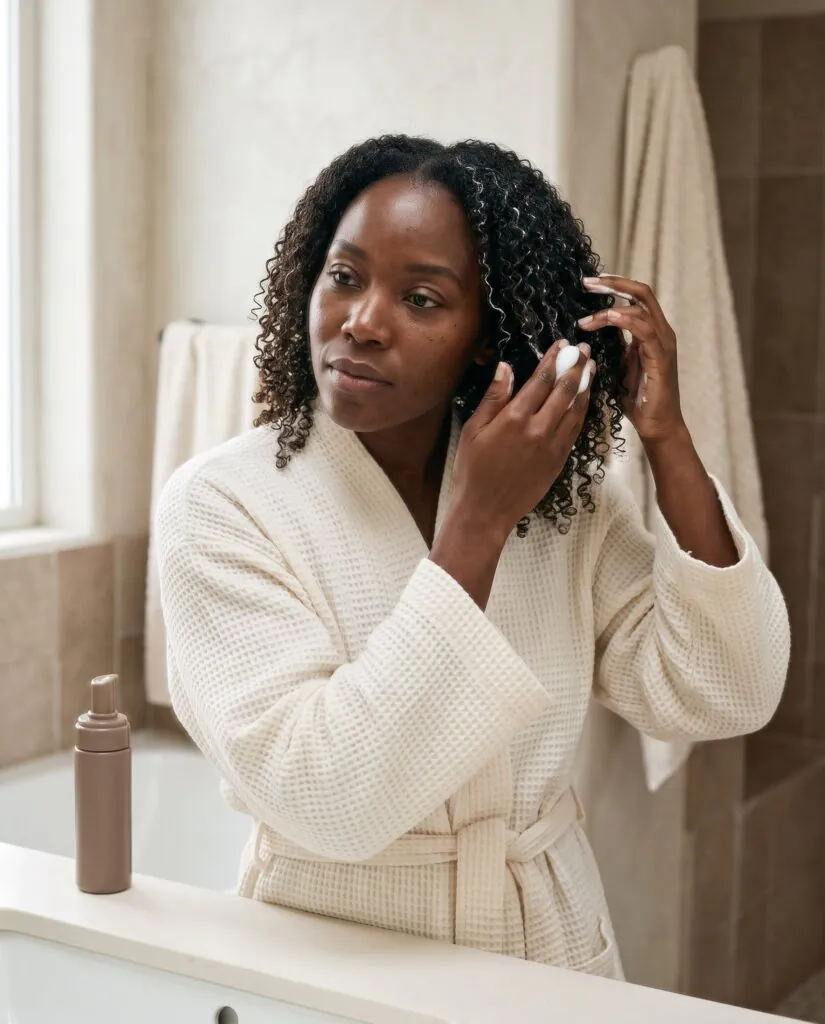
Curl creams are useful when your curls separate into fluffy strands, feel dry after air-drying or need help gathering into smooth clumps. They tend to make the most sense for medium-to-coarse, dry-feeling curls and coils. Fine waves and low-density curls frequently do better with just mousse or gel: a rich cream can create nice definition on wash day but leave the style drooping by the next morning.
Our pick to consider: Rizos Curls 6-in-1 Styling Cream. We would shortlist this for someone who wants conditioning and flexible curl organization in one step, rather than stacking a separate leave-in, cream and oil. A multipurpose cream is attractive when the problem is roughness and flyaways rather than a complete lack of hold. Smooth a modest amount onto wet sections, then scrunch or brush-style according to the finish you want; use less if the hair separates into heavy, oily-looking strands.
For loose, fine curls, cream may not be the best purchase at all. Choose a lightweight foam or gel if your priority is root lift and definition that survives movement. For dense 3C or type 4 hair, a cream may be particularly useful beneath a stronger holding gel or for soft twist-outs—but too many rich layers can still turn a carefully styled wash day into buildup.
7. Mousse or Foam: Start Here When Volume Keeps Disappearing
Mousse is the most logical first styling purchase for many fine waves and fine curls. It spreads easily, helps encourage shape and can give lift with less weight than a dense cream. It is also useful for someone who wants curls to feel touchable, though mousse formulations vary widely: some have plenty of hold, some barely hold at all, and some leave a tacky finish when overapplied.
Our pick to consider: Lottabody Wrap Me Foaming Mousse. We would consider this an accessible foam-style option for people who want lightweight definition, a polished finish and less product layering. Scrunch or distribute through damp—not nearly dry—sections, then leave the hair alone while it sets. A diffuser can help maintain volume if used gently. Because formulas and fragrance preferences vary, assess the finish before making it your everyday styler.
For type 4 coils, foam can be useful for certain sets, twists and lightweight styling, but a mousse alone may not provide the longer-lasting wash-and-go hold some people want. For very humid conditions or ringlets that unravel overnight, add or switch to a gel rather than trying to solve the problem with extra conditioner.
8. Gel: Choose the Hold Level for the Style You Want
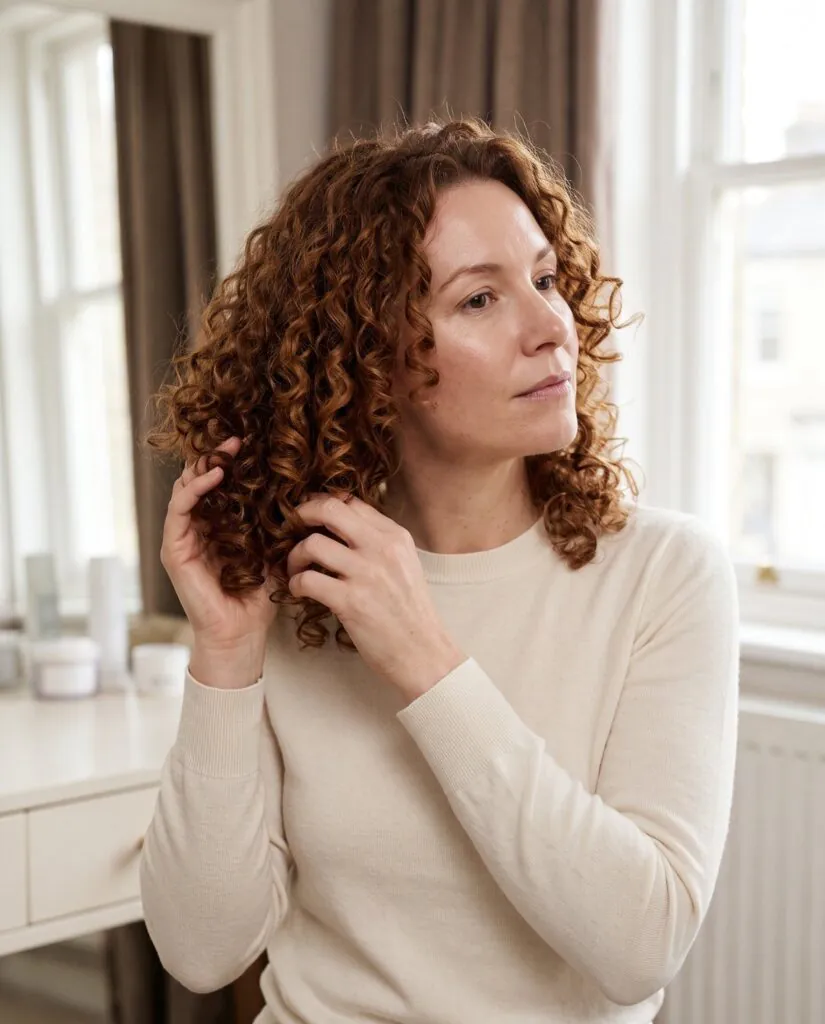
If curls look good while wet but turn fluffy, stretched or undefined once dry, you may need more hold—not more moisture. Gel uses film-forming ingredients to help hair retain a set shape during drying. Lightweight gels can work beautifully for fine waves, while dense curls and coils may need a stronger hold or more careful section-by-section distribution. A crisp gel cast is not necessarily a failure; after hair is fully dry, gently scrunching can soften the feel without abandoning the set.
Our pick to consider: Ouidad Advanced Climate Control Heat & Humidity Gel. We would select this for people whose curls lose definition as the weather changes and who want a dedicated holding product rather than another cream. The key appeal is its styling-polymer-based approach to definition and humidity management; the degree of hold varies across versions, so choose the regular or stronger-hold variant intentionally. We would not promise humidity-proof curls, and we would not label a stronger gel as automatically better for every texture.
Apply to thoroughly wet or evenly damp hair, distribute with enough precision to cover inner sections, and avoid disrupting curl clumps while drying. A gel that flakes or pills might conflict with another styler or be used too heavily. Before buying a second product, try the gel alone over a basic leave-in and compare the result.
9. Hair Oil: Useful for Finishing, Not a Replacement for Conditioning
Hair oil can improve shine, lubricate rough-feeling ends and reduce a dry, flyaway appearance. It does not add water to hair, and a coating of oil over unconditioned curls is not the same thing as moisturized, manageable hair. For fine waves, even a few drops can be too much; for coarse, dense coils a modest amount may feel more comfortable. Lightweight silicone-based finishing serums can be an alternative when pure oils leave a greasy appearance.
Our recommendation: Verb Ghost Oil. If your curls tend to look dull or frizzy after drying, Verb Ghost Oil is a worthwhile finishing product to consider, particularly for fine to medium strands that become weighed down by richer oils. Its formula combines moringa and argan oils with lightweight silicones that help smooth the hair’s surface, add shine and soften the appearance of flyaways. Unlike heavier oil blends, it is designed to provide a polished finish without leaving hair excessively coated. This makes it especially appealing for loose waves and type 3 curls that need frizz control without sacrificing volume, although tighter coils can benefit from it as a finishing step too.
We recommend starting with a single drop, warming it between your palms and gently scrunching it into completely dry lengths, concentrating on the ends. If your hair is particularly coarse or very dry, you may prefer a richer formula for additional softness, since Ghost Oil is primarily a smoothing finisher rather than a substitute for leave-in conditioning. It also contains fragrance, which is worth considering if you’re sensitive to scented products.
10. Serum and Heat Protectant: Buy for a Specific Styling Habit
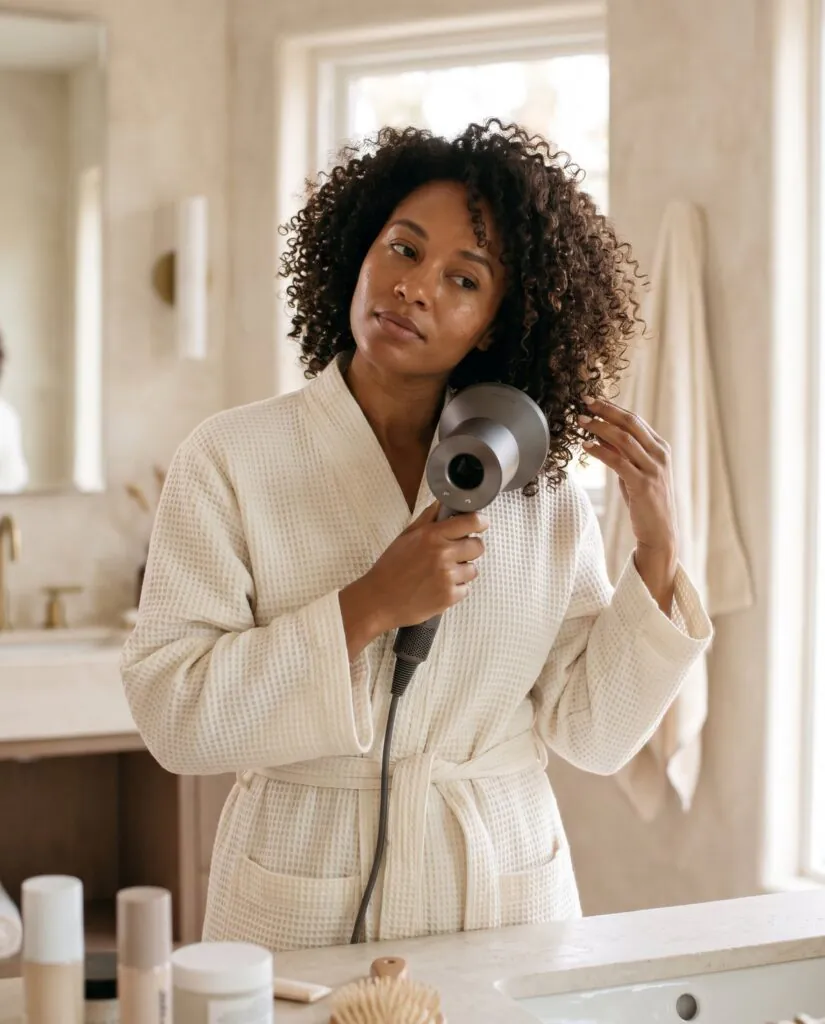
“Serum” can mean shine, anti-static smoothing, friction reduction or heat preparation; it is not a standardized product function. If you air-dry every time and your curls already feel smooth, you may not need a serum. If you diffuse regularly or use other hot tools, choose an explicitly labeled heat protectant and follow directions for damp versus dry application. No heat product makes maximum temperatures harmless.
Our pick to consider: Olaplex Nº.9 Bond Protector Nourishing Hair Serum. We would favor it for someone who wants an unusually lightweight styling-prep serum with heat-protection labeling, rather than adding an oil-based finisher that risks flattening fine curls. Its listed ingredients include conditioning and film-forming agents, and the current brand instructions place it on clean, damp hair before other stylers. The manufacturer advertises protection up to 450°F/232°C; that is a product claim, not a recommendation to style at that temperature.
For coarse, dry curls, this may be a useful first layer but not necessarily enough conditioning by itself. For fine curls, start with very little to avoid reducing volume. Pay attention to the precise directions if layering a leave-in or gel. A product that prepares hair for heat does not replace careful temperature control, sensible drying habits or periodic rest from hot tools.
What Ingredients Should Different Curl Types Look For?
For fine 2A–3A curls that collapse easily: prioritize lightweight conditioning agents, spray or milk leave-ins, and styling polymers in mousse or fluid gel. Rich butters and heavy oils are not forbidden, but are easier to overapply. For medium-to-coarse 3B–4C curls that tangle easily: look for fatty alcohols, conditioning agents and enough emollient slip to detangle comfortably; pair softness with a separate holding styler when needed. For bleached, colored or heat-damaged curls: favor low-friction conditioning and appropriately labeled heat protection, and remember that no ingredient restores permanently split ends.
Glycerin is a humectant used in many conditioning and styling formulas, but a single ingredient does not predict how curls behave across climates. Proteins may help with certain temporary cosmetic properties, but “protein-sensitive” is not a clinical diagnosis and outcomes depend on the full formulation. Silicones can be excellent for slip and smoothness; some accumulate and need effective cleansing. Sulfates are cleansers, not a universal reason to reject shampoo. Reading a label helps you ask better questions; it cannot tell you your exact outcome without trying the product.
Three Routines We Would Actually Start With
Fine waves or fine curls that lose volume
Use a shampoo appropriate to your scalp, a lighter rinse-out conditioner focused on lengths and either mousse or a fluid gel—not both by default. Skip cream, oil and even leave-in until you know you need them. If definition disappears by midday, test stronger hold before adding richness.
Medium-density type 3 curls with frizz and inconsistent definition
Start with regular shampoo, a slippery conditioner and either a small amount of leave-in or curl cream. Add gel for a longer-lasting set, distribute on wet hair, then dry without repeatedly touching the clumps. If hair ends up flat, remove cream; if it feels rough, adjust conditioning. Change one variable at a time.
Dense, coarse coils that feel dry and tangle easily
Start with cleansing that respects your scalp, a rich enough conditioner for sectioned detangling, and a leave-in or cream that keeps strands manageable. Choose gel, foam or a setting product according to whether you want a wash-and-go, twist-out or stretched finish. A weekly mask and oil are optional solutions, not automatic requirements for type 4 hair.
When Your Products Are Not Working: Diagnose the Symptom
Flat roots and limp curls: remove a rich cream, oil or excessive leave-in; use lighter styling hold. Dry, rough ends after washing: reconsider how aggressively you cleanse and whether your conditioner offers enough slip. Curls look good wet but frizz when dry: try more even gel distribution and less handling during drying. Hair feels waxy and products stop working: check for buildup before adding yet another treatment. Scalp itches or flakes persistently: do not assume a moisturizing styling product will fix a medical scalp problem.
Final Thoughts on Choosing Hair Care Products for Curly Hair
The best hair care products for curly hair are rarely the ones with the longest ingredient list or the most curl-type labels on the package. They are the ones that answer your particular combination of questions: Does my scalp get oily quickly? Do my strands tangle or feel rough? Does my style lose shape because it needs hold, or look flat because I used too much conditioning product? Those answers should guide your shopping list.
Start with effective cleansing, a conditioner that lets you detangle gently and one styler chosen for your preferred finish. Only then decide whether a leave-in, rich mask, clarifier or protectant solves a problem worth paying for. If your next haircut changes your styling needs, our guide to 12 Short Curly Hairstyles for Different Cuts and Curl Patterns offers useful inspiration. The point is not to build the most elaborate routine; it is to find a few products that work together consistently.
